
Guidance for Emerging Fashion Designers Working with Natural Fibers
Starting a fashion brand is exciting, and the product development side can feel overwhelming, especially when you care about natural materials and want your garments to last. This guide walks through the process step by step, from first sketch to factory sample, with links to my detailed posts on each stage.
Whether you’re launching your first style or refining your second collection, the goal is the same: fewer surprises, fewer sampling rounds, and garments that fit the way you intended.
The path from idea to production
1. Know your customer and size range
Every fit decision starts with who you’re designing for. A size chart built on your real customer saves you from grading problems later. Start with What Makes a Size Chart Realistic?, and for context on why sizing is so inconsistent, read The Evolution of Ready-to-Wear Sizing.
2. Choose fabrics that match your values and your design
Natural fibers each behave differently in shrinkage, drape, and recovery, and that behavior affects your pattern and tech pack. My guide to natural fibers in fashion covers cotton, linen, hemp, wool, and silk.
3. Turn your sketches into technical flats
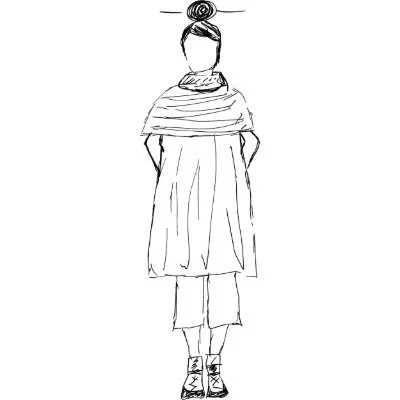
A fashion sketch shows the mood. A technical flat shows the factory exactly what to make. Learn the difference in Fashion Sketches vs. Technical Flats and why detail matters in Unlocking the Power of Detailed Tech Sketches.
4. Build your tech pack
Your tech pack is the instruction manual for your garment. If it’s missing information, the factory fills the gaps with guesses. These posts cover the essentials:
5. Communicate clearly with your factory
Most sampling delays come from miscommunication, not bad sewing. Read The Crucial Role of Tech Packs in Bridging Designers and Factories.
6. Sample, fit, and revise
Your first sample shows you what the pattern and tech pack actually say. From Sketch to Sample explains what it takes to get there. If you’re stuck in repeated rounds, 7 Signs Your Tech Pack Is Causing Endless Sample Rounds will help you find the cause.
7. Design for longevity
Thoughtful development is part of sustainability. See How a Tech Pack Supports Slow Fashion and Embracing Circularity in Garment Design.
Common mistakes to avoid
Sending a sketch instead of a tech pack. The factory will interpret it, and the sample will reflect their guesses.
Skipping fabric testing. Natural fibers shrink and relax. Test before you finalize measurements.
Copying a size chart from another brand. Their customer isn’t yours.
Leaving out tolerances. Without them, you have no clear standard to approve or reject a sample.
Common questions
Do I need a tech pack before contacting a factory?
Yes, ideally. A complete tech pack gets you more accurate quotes and a first sample that’s much closer to your design.
How many sample rounds should I expect?
It varies by garment and fabric, but a clear tech pack and a tested pattern are the best way to keep rounds to a minimum.
When should I bring in a patternmaker or tech pack consultant?
Before your first sample is the best time. If you’ve already sampled and the fit isn’t right, a review can show you what’s causing it.
Not sure where you stand?
Take my free 8-question sampling readiness audit to see if you’re ready for the factory. Already have a tech pack that isn’t working? My Tech Pack Audit and Review finds the gaps. Or see all my services and book a discovery call to talk through your collection.